Any-object-whatever (AOW)
Full Paper Download: download link
After every trip, returning to my long-term residence brings a strong sense of strangeness, even though the place is familiar. This feeling compelled me to research whether there is a way to extend this sense of unfamiliarity.
In the book Image Metrics, the author, Brian, uses Floyd Merrell’s "perceptual linking index system" to establish the relationship between images, space, and human psychological states. Floyd Merrell’s system describes ten psychological states that occur when a person enters a space.
"Any-object-whatever" uses this system as a foundation. By adjusting people's psychological states, it aims to remove the familiarity of urban spaces, allowing us to observe the city with a fresh sense of strangeness.
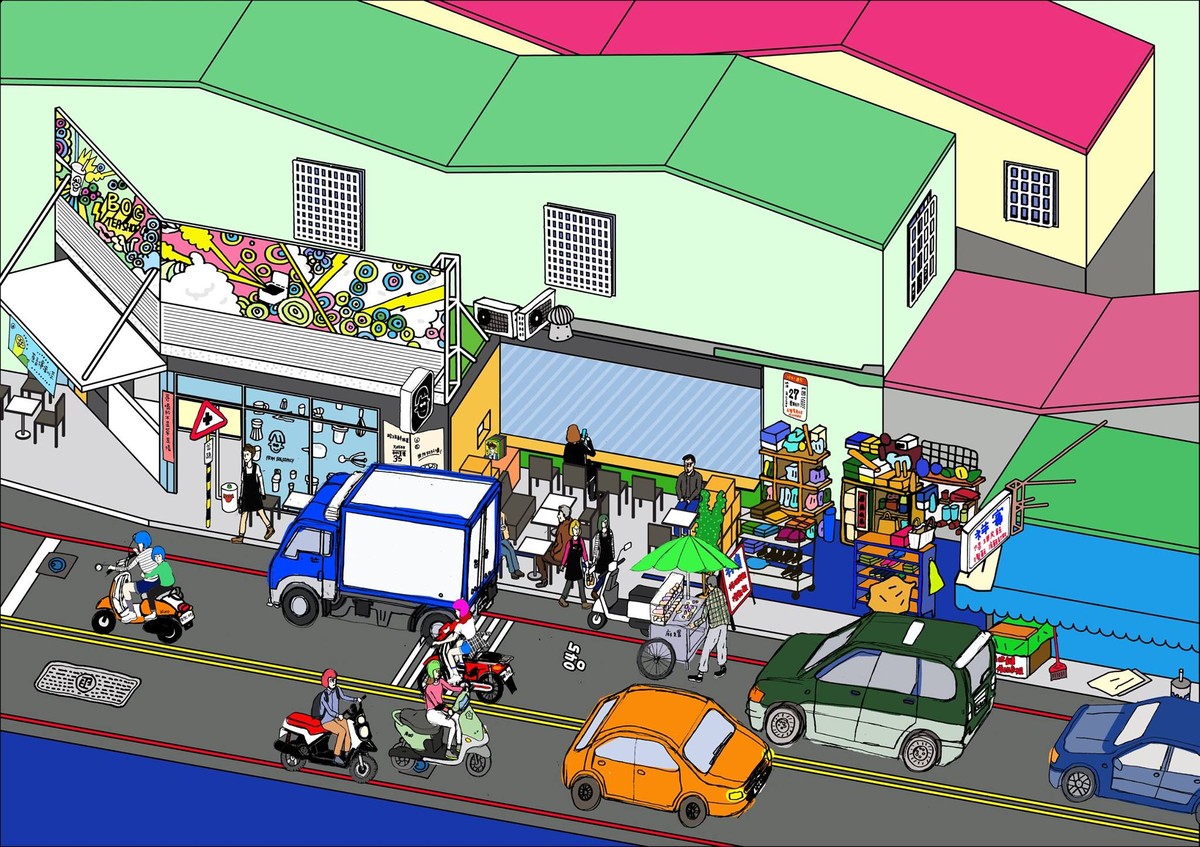
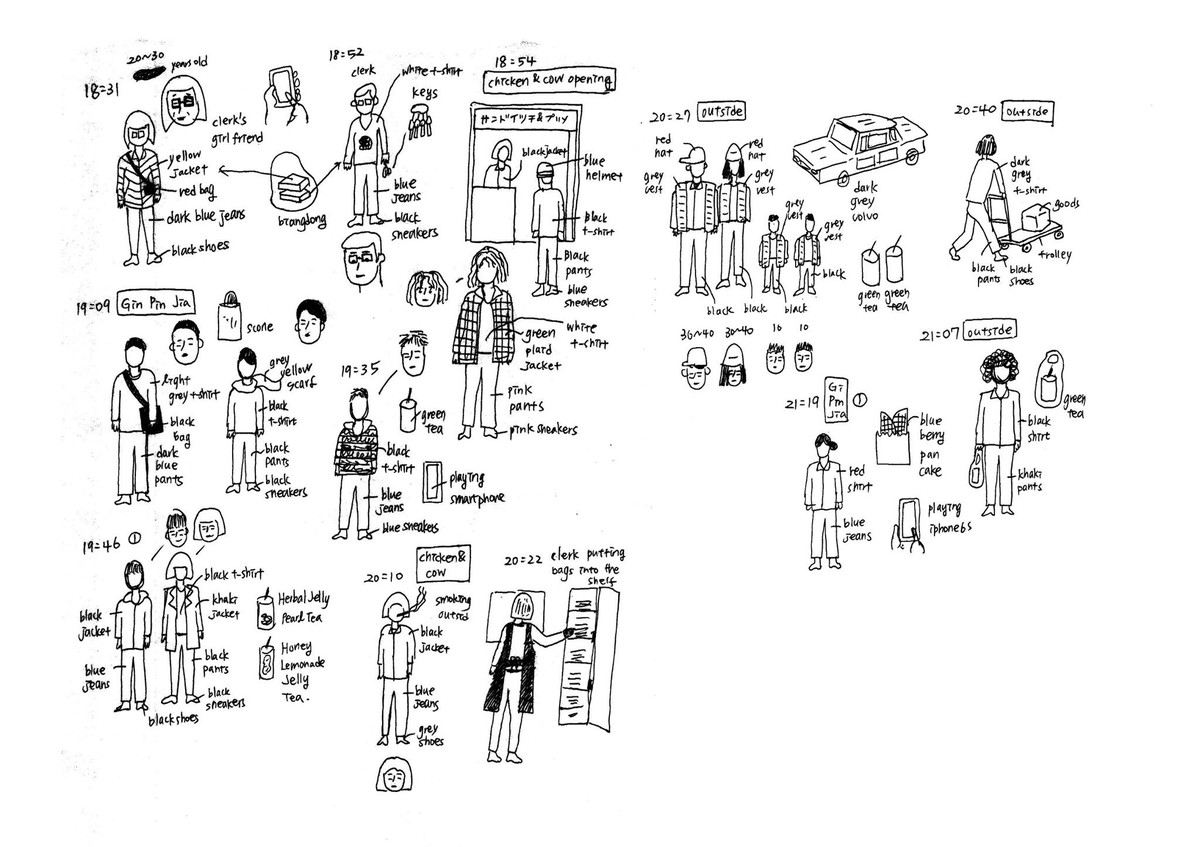
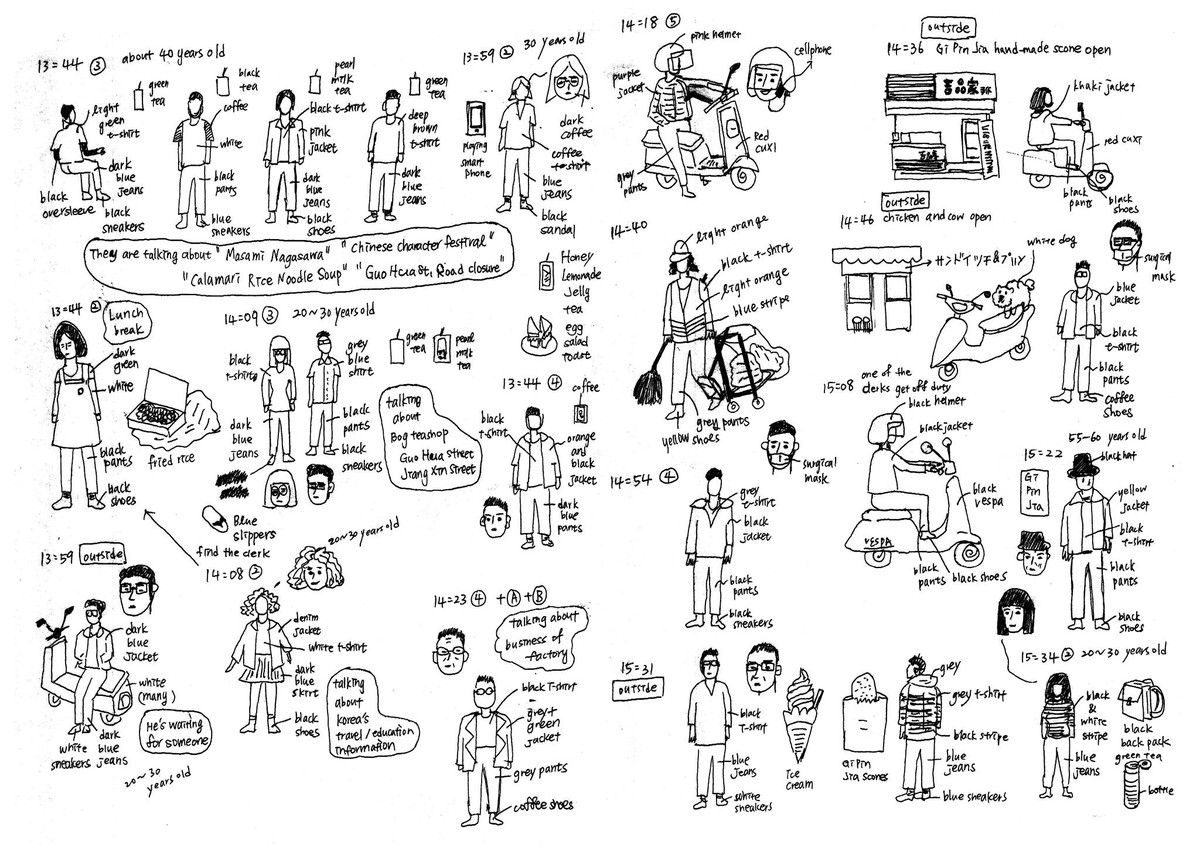
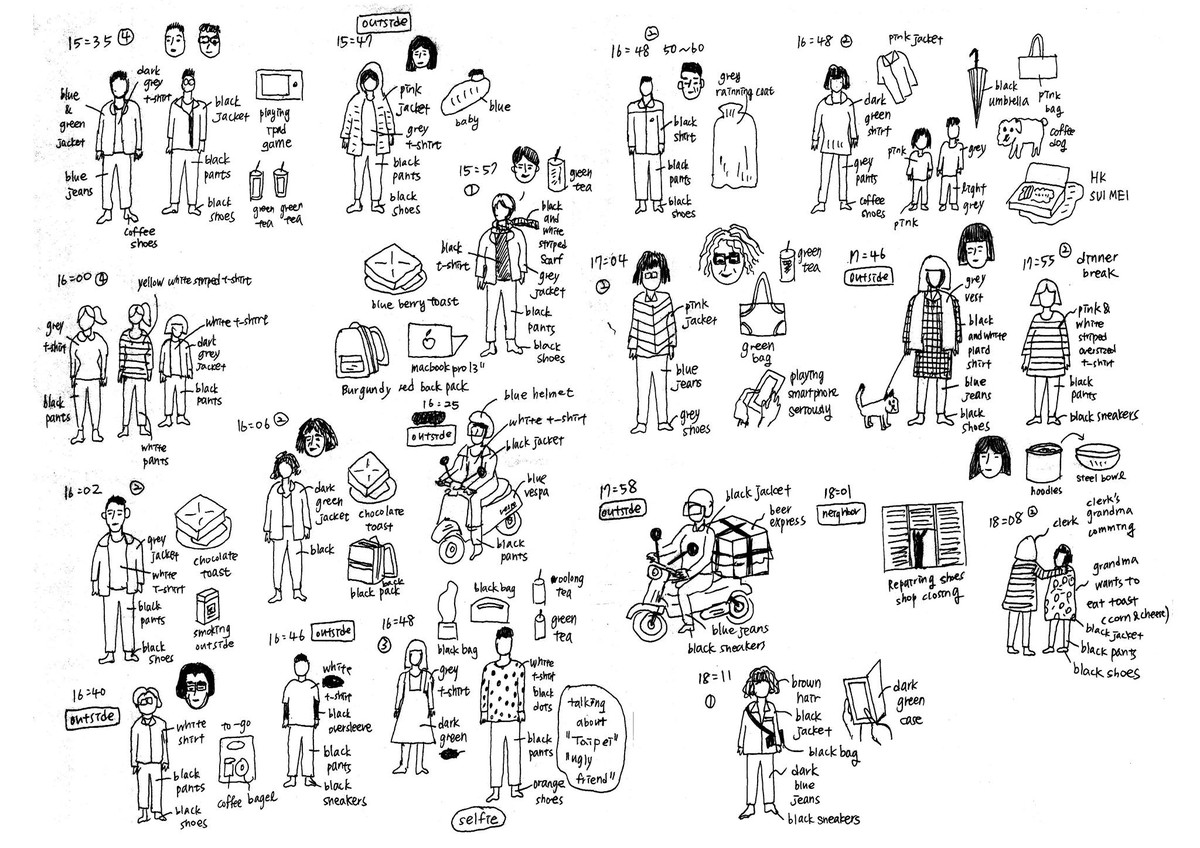
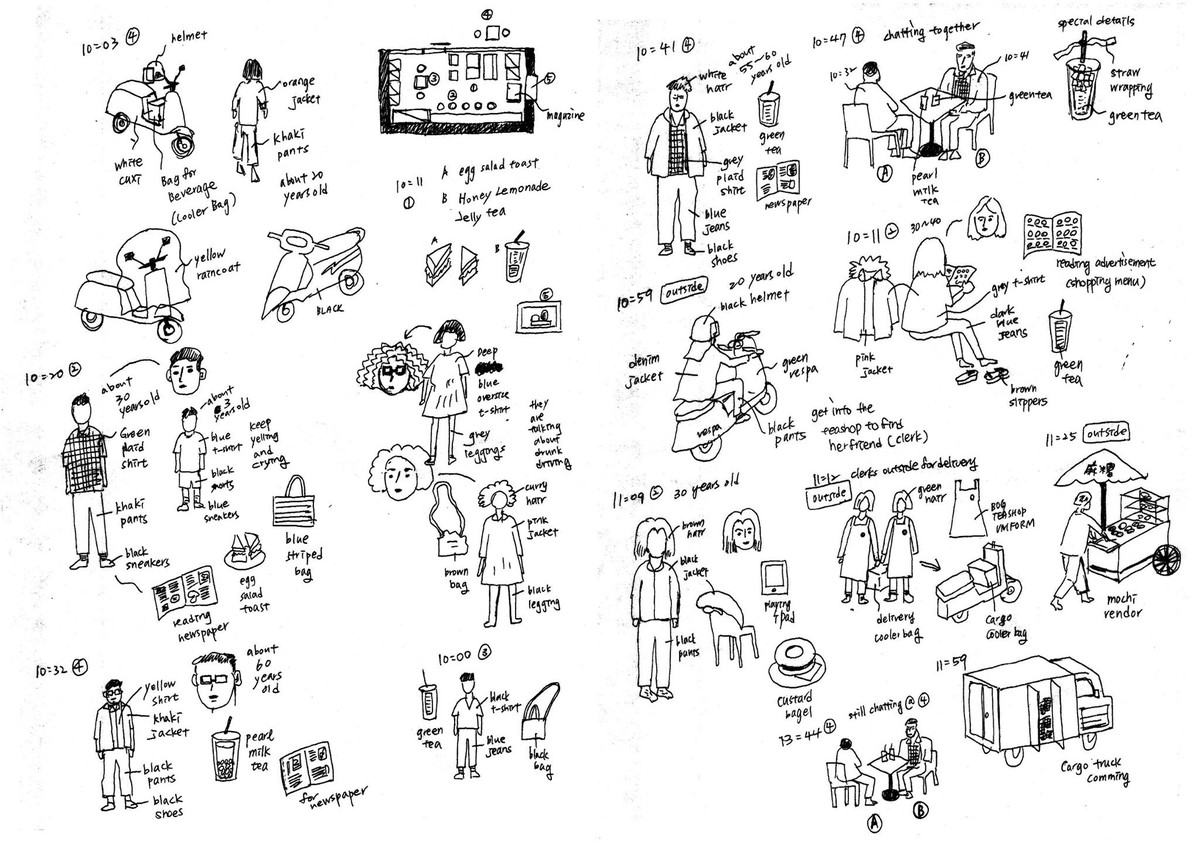
"Any-object-whatever" explores three methods for observing the urban environment. The first is staying statically in one place to observe and record the changes in surrounding materials. The second is dynamically interacting with the city, using sketching as a social tool to engage with the daily lives of residents. The third is drawing city maps to create observations and classifications of "Any-object-whatever," focusing on byproducts and unfamiliar objects.
All three methods are built on the exploration of details. With the first method, we can focus on the differences between objects and experience the flow of the city. With the second, we will learn how to create events in the city and become a part of it. With the third, we can reflect on habitual urban spaces within a larger context, revealing the layers of the city's reality, time, and space.
These three methods will lead to a richer urban experience. As a supplementary perspective combined with conventional architectural knowledge, "Any-object-whatever" allows designers to approach architecture from a broader dimension.
Full Paper Download: download link
After every trip, returning to my long-term residence brings a strong sense of strangeness, even though the place is familiar. This feeling compelled me to research whether there is a way to extend this sense of unfamiliarity.
In the book Image Metrics, the author, Brian, uses Floyd Merrell’s "perceptual linking index system" to establish the relationship between images, space, and human psychological states. Floyd Merrell’s system describes ten psychological states that occur when a person enters a space.
"Any-object-whatever" uses this system as a foundation. By adjusting people's psychological states, it aims to remove the familiarity of urban spaces, allowing us to observe the city with a fresh sense of strangeness.
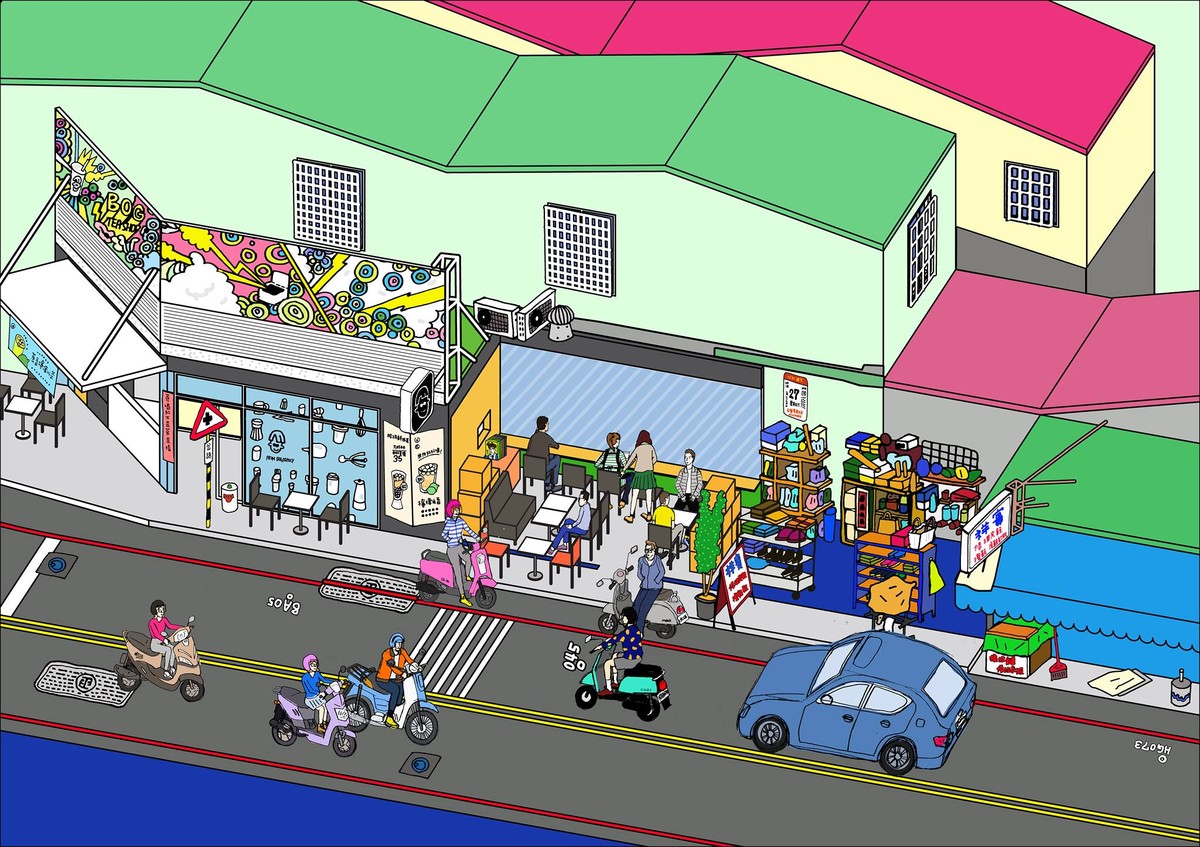
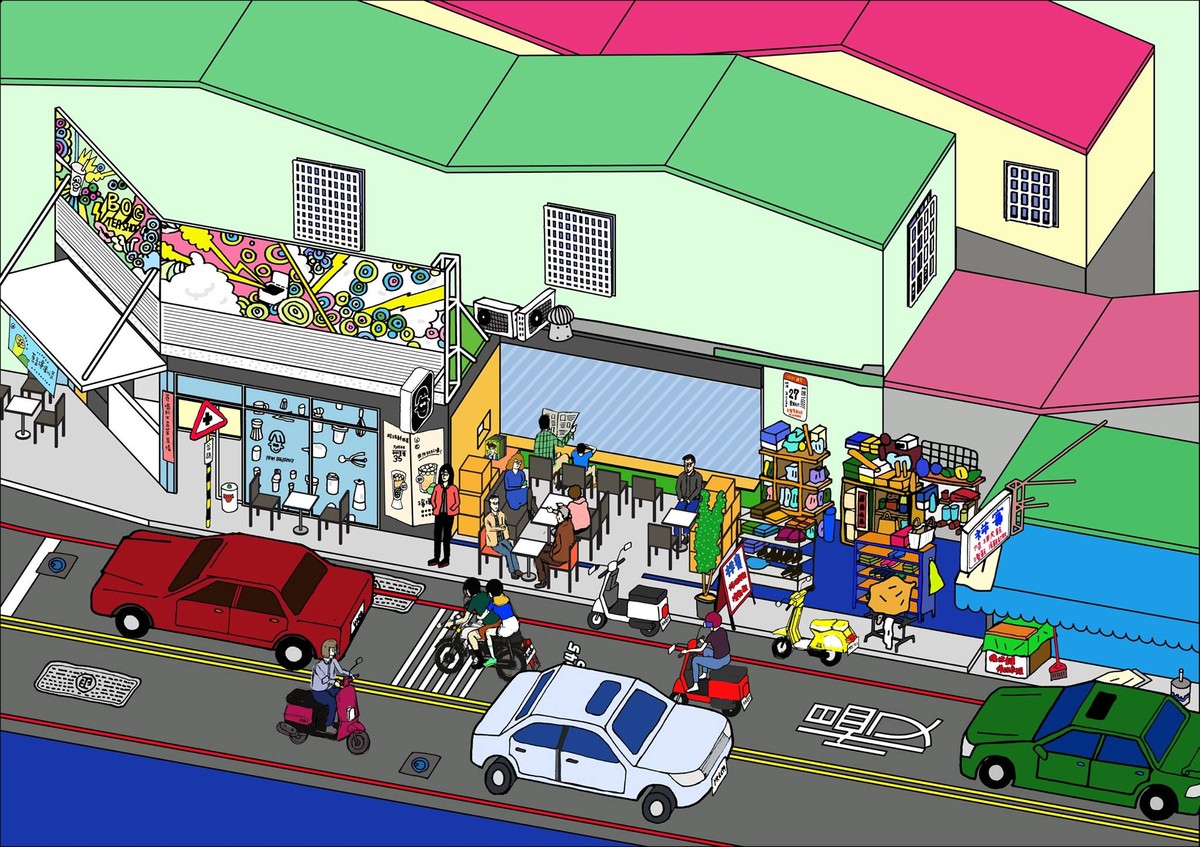
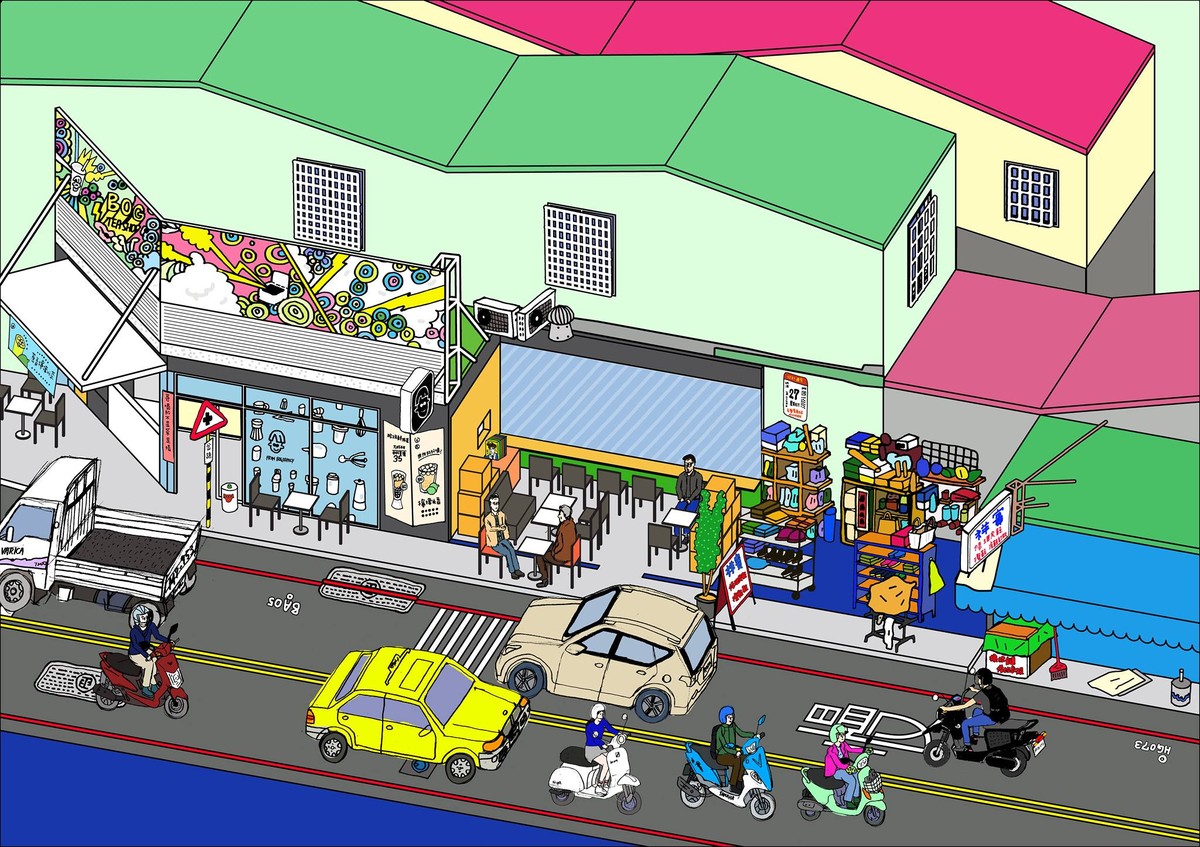
"Any-object-whatever" explores three methods for observing the urban environment. The first is staying statically in one place to observe and record the changes in surrounding materials. The second is dynamically interacting with the city, using sketching as a social tool to engage with the daily lives of residents. The third is drawing city maps to create observations and classifications of "Any-object-whatever," focusing on byproducts and unfamiliar objects.
All three methods are built on the exploration of details. With the first method, we can focus on the differences between objects and experience the flow of the city. With the second, we will learn how to create events in the city and become a part of it. With the third, we can reflect on habitual urban spaces within a larger context, revealing the layers of the city's reality, time, and space.
These three methods will lead to a richer urban experience. As a supplementary perspective combined with conventional architectural knowledge, "Any-object-whatever" allows designers to approach architecture from a broader dimension.